Cleaning Up After a Household Flood
There are a number of things that might cause household flooding. It may be a washing machine hose that breaks or corrodes. It might be something even more serious, like a sewer backup, or some kind of a leak that manifests while you’re out of the home and unable to resolve it promptly. Whatever the case, your first course of action should always be to turn off your water, and then call a professional plumber to have the issue attended to.
Even after the leak or backup is fixed, however, you’re still faced with a problem: You have a home (or at least a room) filled with water, and likely damaged by the sheer level of moisture. You can call a professional water removal service, which in some cases might be your only real option. Before you do so, though, consider whether you might be able to clean things up on your own.
A few tips:
The first thing to do is rescue your electronics. Disconnect your power, unplug your electronics, and move them somewhere where they can dry out. The quicker you do this, the more likely it is that you will be able to save these items.
You might even be able to save your carpeting. Wall-to-wall and area rugs can sometimes be pulled up, cleaned, and disinfected—however, if you wait too long, they may shrink and be unusable to you. You can try to pull up the underpadding beneath your carpets and rugs, but the padding is made to absorb water, and usually won’t be salvageable.
After you’ve taken care of your valuables, you need to get rid of the water! If you’ve turned off the power, you can try to get rid of the water with buckets, blankets, mops, and the like—assuming there’s not too much of it. A wet/dry shop vac will also work well, but make sure you plug it in somewhere far from the water damage. Finally, local hardware stores might have a sump pump you could rent.
Once you get rid of the water, you’ll need to dry out the affected area further. Getting some fans and dehumidifiers may prove helpful here. You need to circulate some air and get all that moisture dried out as quickly as you can.
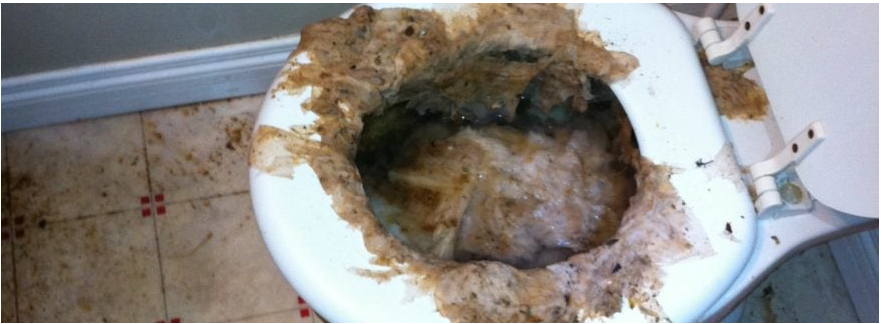
It is also important to disinfect the area affected—as there’s no telling what kind of contaminants the water drew in, especially if it was an issue with sewage backup. Invest in a powerful but non-toxic disinfectant and some gloves—and get to cleaning.
The three most important points are these: First, be safe—especially when working around electrical outlets. Second, be quick—because this is truly an urgent matter. Third, ensure that the true plumbing issue is totally resolved. Call our Vancouver plumbing team today for more information.