6 Do it Yourself Drain Cleaning Tips
Sooner or later, household plumbing systems are going to develop clogs. There is no way around this, and without the right knowledge, cleaning your drains can be an extremely frustrating experience. If the drains in your home tend to get clogged fairly regularly—whether they are the drains in your sink, on the floor, or elsewhere—it is important to take a few basic steps to clean out the drains and get rid of those clogs.
Obviously, for stubborn or particularly bad clogs, you may require the help of a professional plumber. However, before calling the pros, try to follow the steps laid out below.
Six Steps to Cleaning Your Drains
Begin with the tried-and-true household plunger—a typical home remedy, and one that most homes are equipped with. If you don’t have a plunger, buying one is easy and inexpensive, and plungers will clear out the vast majority of minor clogs. Of course, if the drains continue to get clogged, there may be a more serious and pervasive problem to address, but the plunger is a good starting point.
Pour a strong saltwater solution down the drain to clean it out. This will eliminate odors—especially in kitchen sinks—and it can also be useful for eliminating greasy build-ups—saving you hassle and money down the road
At this stage, you may wish to visit a local home improvement store and purchase a chemical drain cleaning product. Be warned that you should only resort to this once or twice, as repeated use can lead to long-term plumbing damage. Also be sure to read the instructions carefully, as some products are not approved for use with plastic pipes, with garburators, etc.
A good alternative to chemical drain cleaners is vinegar and baking soda. Pour half a cup of baking soda down the drain, then follow it with half a cup of vinegar. This will lead to a chemical reaction that can get rid of clogs while also eliminating unwanted odors.
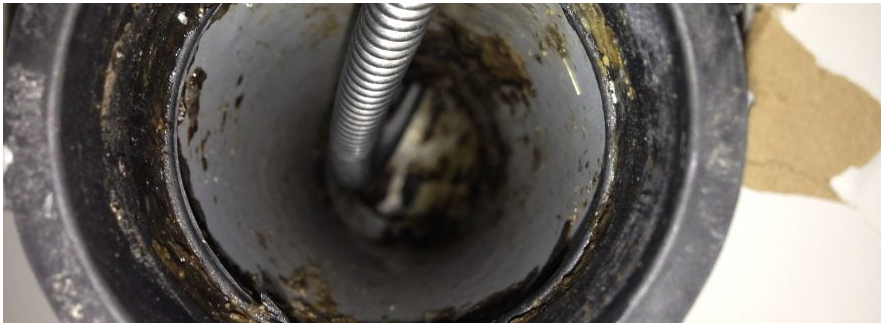
If that fails, you might purchase or rent an auger, or mechanical “snake,” to manually push the clog out and clean out the drain. This can be a time-consuming process, but it is really the best way to deal with stubborn clogs.
If all of the above steps fail, then it is time to consult with a professional plumber who will be able to diagnose the problem and get rid of the clog completely.
We are happy to offer our own drain cleaning expertise to homeowners throughout the Vancouver area; to learn more, contact us today!