Every homeowner wants a toilet that does what it’s supposed to do—flush without any problem, and certainly without any spillage. Things don’t always work out that way, though. Sometimes toilets get clogged. Sometimes they won’t flush. And sometimes, as our plumbers can tell you, they can actually overflow.
Of course it’s best to prevent raw sewage from spilling onto your bathroom floor, but how? If you have a toilet that is frequently clogged, you may want to brush up on some of the following tips and techniques.
Stopping the Water At The Shutoff Valve
Toilets can get clogged and overflow for any number of reasons, but your first step should always be the same: turn off the water that’s flowing into your toilet bowl. The place to do this is at your toilet’s main shutoff valve.
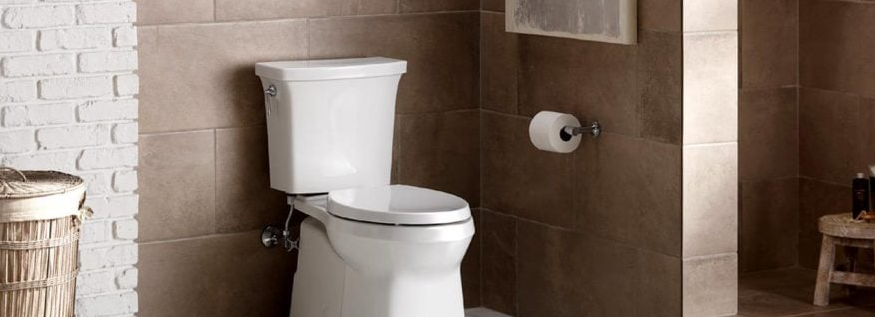
If you don’t know where this valve is located, take a few minutes right now to find it. What you are looking for is a water line that extends from your bathroom wall to the toilet itself, with a hand crank on it that allows you to control the water flow. In some rare instances, the valve may be hidden behind a wall or behind tile—and if that’s the case, you should ask a plumber to take a look and recommend some modifications.
Turning this valve to the off position will stop water flow to the toilet bowl, which will let you address the clog without overflow—but make sure the valve can actually be manipulated. Most valves stay open for years at a time, and they can grow rusty and stiff. Check your valve today to make sure you can operate it properly, and use a little lubricant if you need to get things loosened up.
Another Approach To Stopping A Toilet Overflow
If you have an overflowing toilet but have trouble closing the valve, reach inside the toilet tank and look for the flapper—a rubber ball covering a hole in the tank’s bottom. Push it down manually, closing off the waterway. This is an effective way to stop water flow, too.
If you have trouble with any of this, or need help modifying your water shutoff valve, we invite you to give us a call or book online. Our Vancouver plumbing professionals can help you ensure that your toilet is functioning properly. Reach out to us whenever you need our plumbing expertise.