How to Inspect a New Home for Plumbing Problems
There are few decisions bigger, with more moving pieces, than the decision to buy a new home. It goes without saying that, when considering the purchase of a new home, it is important to thoroughly inspect the property, minimizing the risk of unforeseen or unexpected problems popping up down the road. Properly inspecting a new home means looking at all the parts of it—including the plumbing.
This is easier said than done. Those who are not experienced plumbers do not necessarily know what to look for, or how to spot signs of trouble. The truth is, it is always recommended that homebuyers hire a professional home inspector before they sign any contracts to buy. Even then, it is impossible to guarantee that the plumbing is fully functional, and that no future problems will arise.
With all of that said, there are a few telltale signs of plumbing problems that homebuyers should be on the lookout for. As you walk through a home, with the intent of buying it, keep your eyes peeled for the following things:
Standing water.
Before you even go into the house, survey the property and look for signs of standing water. Obviously, if it’s just been raining, there may be some puddles here and there, and that’s no problem. With that said, signs of serious standing water could reflect a bigger problem—a septic system that has gone bad, or sewage lines that are not properly attached to the home.
Water stains.
Inside the house, look for water stains on the walls and on the ceiling. These water stains could indicate that there are some leaky pipes behind the walls; the damage done by leaky pipes will prove substantial over time, and the cost of making repairs will prove enormous. Look for signs that a single wall has been painted, but the rest of the home is its original color; this might mean that the homeowners are trying to hide water damage. Be on the lookout for mold, too—an even surer sign that there are some moisture problems in the home.
Water pressure.
Try to flush all of the toilets in the home, and turn on the shower that is furthest away from the water source. This will give a good idea of the water pressure. Note that in some cases water pressure problems can be fixed with something like a new showerhead, but at the very least, water pressure problems will warrant a closer inspection.
The water heater.
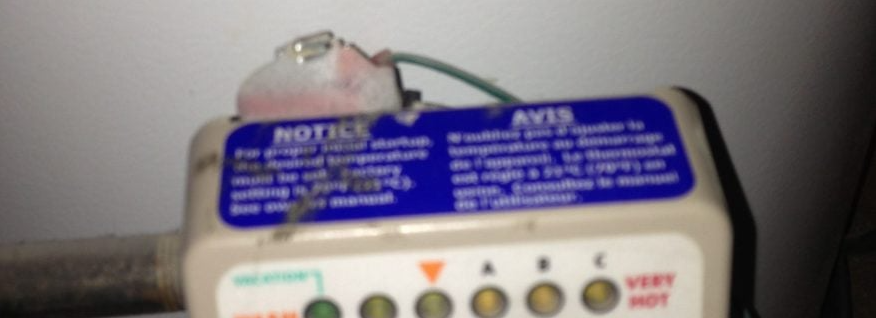
Does the home have a relatively new water heater, or an old, inefficient one? An old and inefficient water heater is going to cost you money, in more ways than one. You’ll pay more for your monthly water bill, and—sooner rather than later—you’ll need to pay for a new water heater.
There are more obvious things to look for, too—like the number of bathrooms, and the general condition of toilets and tubs. The important thing is to make sure that you know what you’re getting into, plumbing-wise, with your new home. If you do buy a home that needs some plumbing repair work done, don’t hesitate to call us and schedule an appointment; we are ready and able to transform the plumbing systems in your new home.