5 Tips for Preventing Frozen Pipes
Across the continent, temperatures are plunging—and for homeowners, that means the potential for frozen pipes. Frozen plumbing is more than just an inconvenience. As water in pipes freezes, it also expands, which can cause the pipes to rupture. This is a potentially massive headache for homeowners, but thankfully, there are some ways to avoid it.
If you have exposed pipes, insulate them.
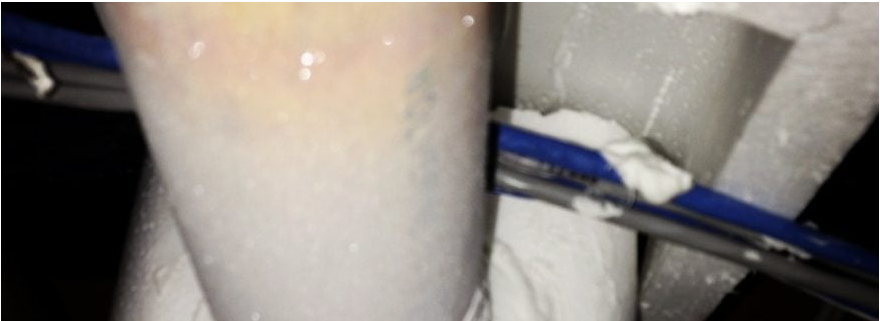
Many homes have pipes in basements or perhaps in laundry rooms, which connect to other pipes outside or else touch an outside wall; if these pipes are not insulated, they stand a good chance of freezing. Certainly, outdoor piping stands an even bigger risk of freezing. Insulation can be purchased fairly inexpensively, however, and wrapped around the pipes to keep them snug and warm.
If you have hoses hooked up outside, remove them.
If you can find a shutoff for the hose, inside the house and under the nearest sink, shut off the water and let it drain. Otherwise, just make sure you’re taking the hose off the faucet and storing it in the garage.
Turn on the tap, especially at night.
When it starts to get really chilly, open up the faucets, ensuring that pressure doesn’t have a chance to build up in the pipes. If you keep the water moving, there is less chance of pressure mounting and causing potential ruptures.
Know where the main shutoff valve is—and when you need to turn it off.
If you have a prolonged power outage—like, two or three days’ worth—then it is often smart to turn off the main shutoff valve, controlling water coming into the house. Shut off the valve and then open the taps, letting all water run through until there is nothing left in the pipes to freeze. It is also important to shut off the water should any pipes freeze, which will keep the water damage to a minimum.
Drain your water heater during any prolonged power outage.
Again, this is important to keep water damage to a minimum. Usually there are shutoff valves above the water heater—one for hot water, one for cold—and a drain at the bottom of the unit.
A bonus tip: Should you suspect any pipes of being frozen, the best thing you can do—beyond turning off the water—is calling a plumbing professional immediately. This is not something homeowners want to try to resolve on their own! We are standing by to offer our services to any Vancouver homeowners who experience cold weather-related plumbing problems, so contact us today!