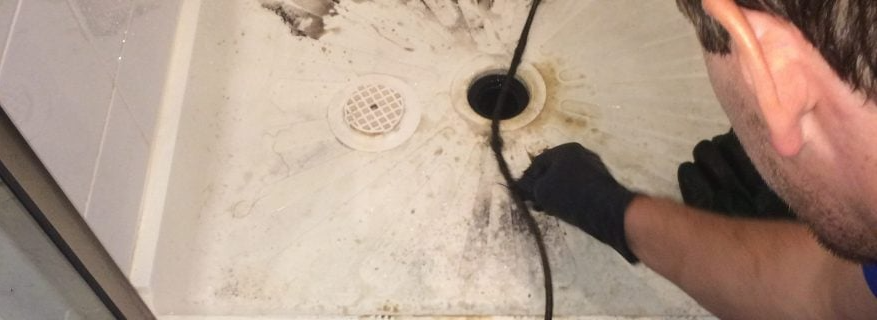
You have different drainage areas in your home—kitchen sinks, bathroom sinks, showers and tubs, even basement floor drains—and they can all become clogged for different reasons. What’s important is that when that happens, you need to take quick action to either work that clog out yourself, or call a Vancouver plumber. But what is it that causes drains to become clogged in the first place? We’ll list some of the primary culprits for a few of the most common household clogging issues, as well as some quick troubleshooting tips.
Clogs in Your Bathroom Sink
When you get a clog in your bathroom sink—water that doesn’t drain as quickly as normal—it’s usually because of an accumulation of dead skin, dirt, and especially hair. Basically, the little bits of debris from your personal hygiene rituals are what get lodged there inside the pipes.
You can actually troubleshoot this by removing the drain stopper and giving it a good cleaning, then perhaps using a trusty ol’ bathroom plunger. Of course, you’ll need to be somewhat gentle here. You might also need to try removing the drain elbow joint and cleaning it out. Ask a plumber if you need help with this.
Clogs in Your Toilet
A clog in your toilet is usually caused by someone flushing something they shouldn’t—dental floss, diaper wipes, feminine products, or simply an excess of toilet paper.
As far as troubleshooting, the plunger should be your first option here. You can also try a simple drain auger. If none of that works, it’s probably time to call the plumber.
Clogs in Your Kitchen Sink
When the kitchen sink becomes clogged, the culprit is usually something that was put down the drain and shouldn’t have been—such as cooking grease, solid food particles, or even excessive amounts of soap.
We’d recommend running some hot water to soften the clog, followed by some dish detergent and then more hot water. After that, you might try the plunger. For all of these clogs, chemical drain cleaners can be used, but we recommend using them sparingly—they can sometimes have a corrosive effect on your pipes, which is a much bigger problem than any clog.
Address Clogs in Your Home
No matter the cause of your clog, there are methods to working it out—and if you ever have an especially stubborn one, don’t hesitate to give our expert plumbers a call or book a service call online.