What to Do when You Have High Water Usage
Sometimes it’s possible to have a home plumbing problem and not even realize it—at least not at first. Then your monthly water bill comes, and you almost do a double-take. The bill is significantly higher than normal, and you can’t quite figure out why. The answer may very well be that you’ve got a leak or some other plumbing problem in your home, causing you to waste water without even knowing it.
How to Pinpoint Your Plumbing Problem
What do you do next? Do you simply call a plumber immediately, or do you try to pinpoint the exact problem? While our plumbers are always happy to assist, there is some merit to locating the problem on your own. It may be something you can fix yourself. At the very least, knowing where the problem is can help you give better direction to your professional plumber.
Here are some steps for locating your plumbing issue:
First, use your ears. Just listen for the sound of dripping water. This may sound like something that could almost go without saying, but many homeowners neglect this simple step. Get your home as quiet as you can and then simply walk through it, slowly and with your ears open. Make sure you poke down to the basement or crawlspace to listen for running water there, as well.
Don’t just listen for dripping water. Also listen for toilets that sound like they’re running even if no one has recently used them. This may mean that the toilet itself has a leak, or is using water wastefully and needlessly.
You’ll want to call a plumber to have the toilet inspected, then either repaired or replaced.
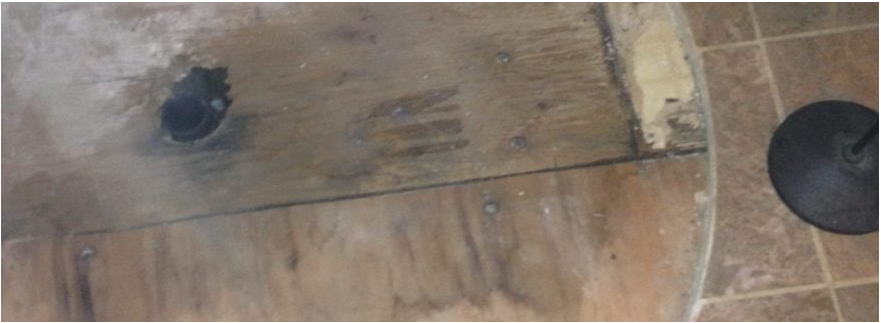
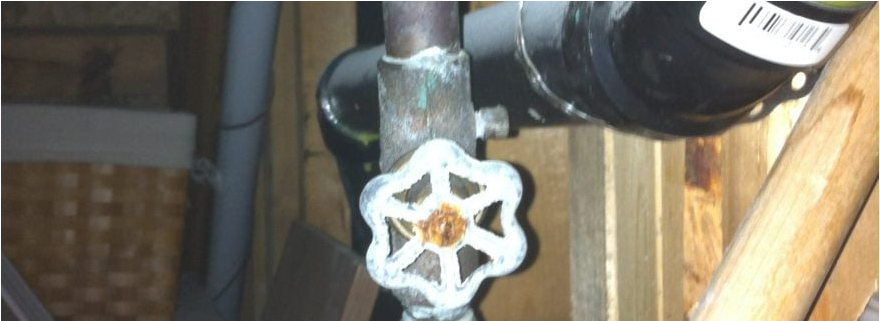
Next, inspect your home for visible signs of leakage. Mold, mildew, discolored walls and floors, rusted pipes, and pools of water are all signs. Again, make sure you’re looking everywhere, even below the house.
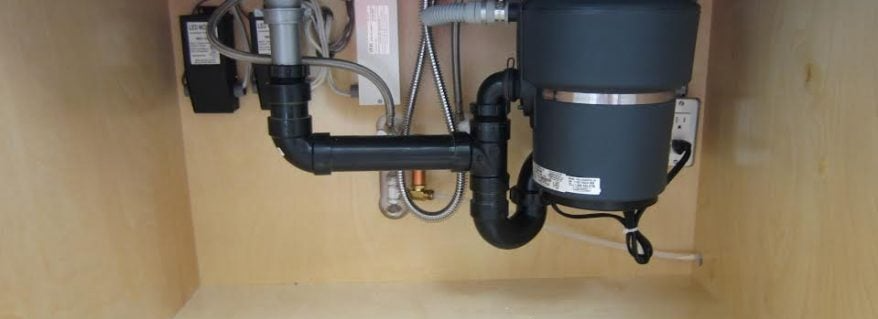
Check under sinks and vanities. Run your finger along the pipes to see if they’re wet—and if they are, that might point to a leakage issue.
If all else fails, take a look at your water meter, then refrain from running any water for a couple hours. See if the meter ticks up a bit, which could point to a leakage issue.
If you do pinpoint a leak—or think there’s a problem, but just can’t seem to find it—please don’t hesitate to call our plumbing professionals right away.