For most of us, purchasing a new home is the single most significant financial decision we make in our life. Naturally, you want to ensure that your new home purchase is a sound one, which means thoroughly checking for potential problems. Part of this involves hiring a home inspector—something your real estate agent will likely recommend—but you can also take steps to inspect the house all on your own, walking through it with your agent before you make an offer.
Of special importance: moisture and mildew. You definitely don’t want to buy a home that had these issues. Moisture problems likely mean plumbing problems, and they are going to prove potentially difficult and expensive to repair. Without repair, the mildew will only intensify, as will mold and will potentially damage your property. Walking Through the Home
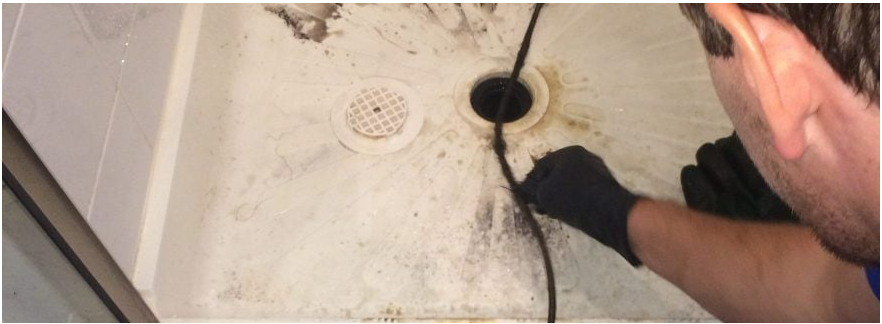
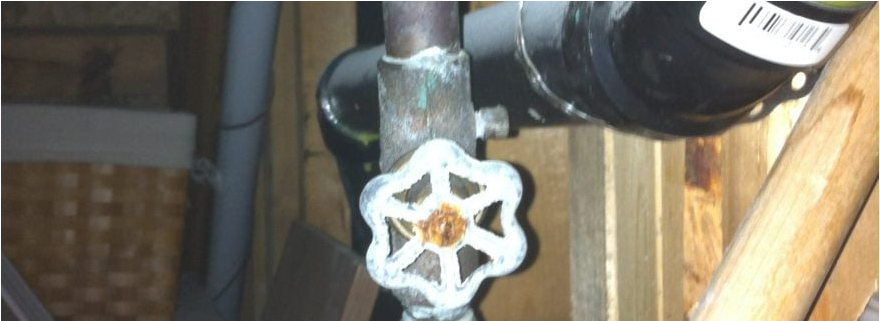
What we recommend is a walk-through, paying special attention to the areas of the home where moisture problems are most likely. Primarily, this means areas near and around plumbing fixtures; you certainly want to look for puddled water or the signs of mold near toilets, tubs, showers, the washing machine, and beyond. Additionally, anywhere there are pipes there could possibly be leaks, so make sure you look in the basement and crawlspace, under sinks, and in the garage.
A checklist you can use for your moisture and mildew walkthrough:
basement,
crawlspace,
all bathrooms,
attic,
outside walls, especially near spigots,
ceilings and floors (look for signs of moisture damage/discolouration),
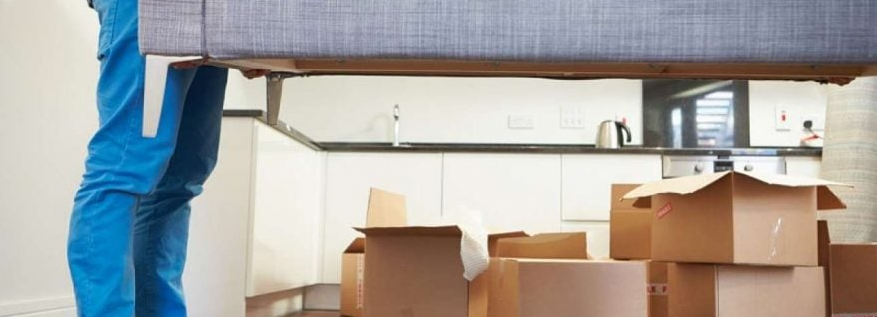
behind furniture that’s up against the wall (which could be used to mask discoloured spots of moisture damage).
The bottom line: if you see any indication that the home has become water-damaged, or if mold and mildew are problems in the house, it’s vital that you discover the reason why. It could be a simple plumbing leak, something that can be easily remedied—but if the issue is more systemic, or if the damage is already severe, you may want to pass on the home.
Bring in the Pros
Having a plumber come and provide an expert opinion is one reasonable step you can take to be confident about the plumbing structures in your new home. We’re here to help if you need us. For plumbing needs in the Vancouver area, give our team a call!