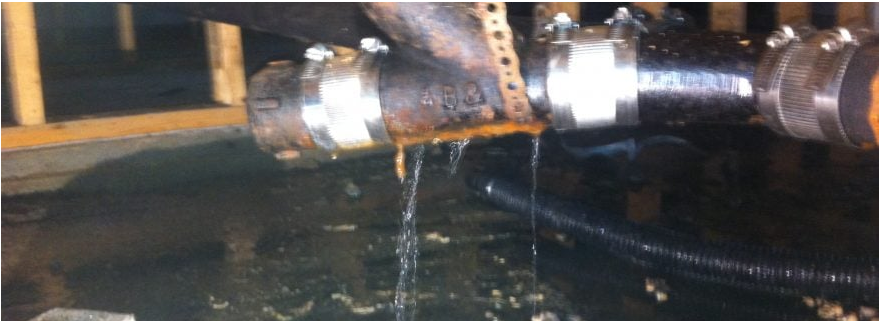
Drying Out a Flooded Crawlspace
Plumbing problems can occur anywhere in your house—and under it, too. Homes that have crawlspaces come with a unique plumbing concern: It’s possible that the pipes in your crawlspace could burst or develop small leaks, yet many homeowners go down to their crawlspace infrequently, which means you might not know there’s an issue until it’s too late.
We recommend that you poke your head down into the crawlspace at least two or three times per week, looking and listening for any signs of a leak. And if you do go down there and find that there’s been an issue and you have some flooding problems—even if it’s just a few small puddles—make sure you dry things up and clean your crawlspace immediately. Letting the water sit or the flooding continue will ultimately land you with structural problems and water damage, and likely mold as well.
But how do you clean and dry a flooded crawlspace? Follow these tips:
Of course your first step is to stop the water, wherever it’s coming from. Patch up the leak, or else turn off the water to your home at least long enough for you to dry out the crawlspace and get the underlying problem corrected.
If your crawlspace is absolutely, completely flooded then you’ll likely want to call a professional water removal service, but if the flooding is less severe then you can likely deal with it yourself. Simply get a pump or a wet/dry shop vac and remove as much of the water as you can—depositing it somewhere far from the foundation of your home.
Survey what’s left, and see what kind of damage the water has done. Hopefully, water damage to your insulation and any wood in the crawlspace is minimal, and you can simply remove the things that are particularly soggy. Also make sure you get rid of any debris, and get everything as tidy as you can.
Air the place out. If at all possible, keep your crawlspace door open for the day, and then perhaps allow it to air out the next day, as well. Get a fan and an extension cord and set it in the doorframe, helping circulate air throughout the crawlspace.
Make sure to keep your eyes peeled for mold while you’re down there, as well, and get it cleaned up if you see any. If you need assistance addressing the underlying plumbing problem, we’re here for you; just contact our plumbing team today!