What to Do if Your Basement Floods
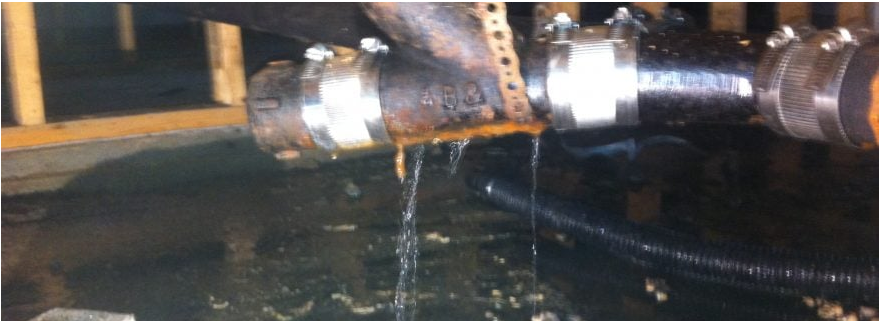
Hopefully, you’ll never have to endure the horror of a flooded basement; indeed, there are few situations that would prove more nightmarish for homeowners. With that said, this is something that happens, and it is important to be prepared. Vancouver homeowners need to know what to do should they arrive home from work or vacation and find that their basement is filled with water.
How to Handle a Flooded Basement
Our team of plumbing professionals offers five steps:
Shut off the water.
This is obvious but important: If at all possible, turn off the source of the water to stop the flooding from growing worse. This may involve turning off the plumbing in your home, so make sure you are aware of how to do this now, before disaster strikes. If the problem stems from a sewage backup, do not use any water—no toilets and no appliances that use water, like laundry machines or dishwashers.
Examine the damage, but keep your distance.
Don’t walk through the flooded area, as there is a risk of electric shock. If you are sure that you can do it safely, turn off the power in your home; otherwise, just wait for the plumber. Make sure to wear protective gear if you go into the flooded basement; if there’s a busted sewage pipe, there could be bacteria present that will make you extremely ill.
Call a plumber right away.
Keep our number handy so that you can reach us quickly.
Call your insurance company.
You’ll almost certainly want to call this in to the insurance company, and the longer you wait the less likely you are to get any kind of coverage. Take photos of the basement and any and all damage you can see, and save your receipts from any repair work you have done.
Prepare your home for any future flooding.
There are some helpful steps you might consider taking, like installing a sump pump or upgrading your basement drains. Your plumber can offer some specific tips. Doing this will not only protect you against future issues, but it will also make your insurance company a bit more likely to fulfill your claim.
A flooded basement is a scary thing, to be sure—but if you know the right way to respond, you can address the issue promptly and intelligently. Again, remember to call us if you ever end up with a flooded basement, or if you have any additional plumbing needs!