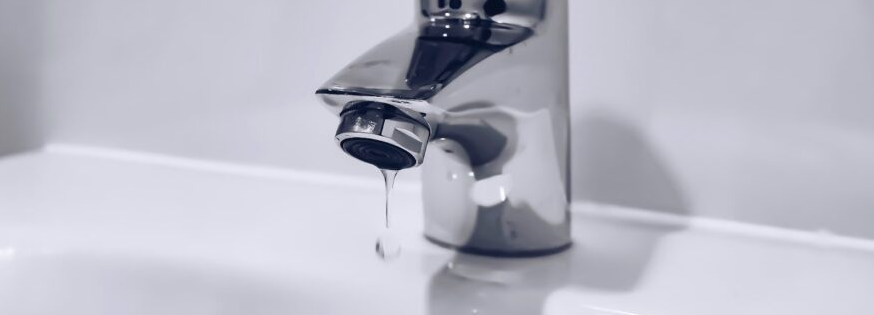
As plumbers, we often receive phone calls from homeowners who are dealing with what they call low water pressure. In reality, the issue is technically low flow, which means that one or more fixtures in the home simply aren’t providing the strong, steady stream of water that homeowners are used to. There are some technical distinctions to be made between pressure and flow, but no matter: Whatever you want to call the problem, it is frustrating and sometimes difficult to diagnose.
Single Fixture vs. Whole House
In some cases, the issue is with a single fixture—a lone faucet or shower that doesn’t provide the kind of flow homeowners want. When this is the case, the problem is almost surely something specific to the fixture in question—that is, the showerhead might be clogged with mineral buildup, or there may be a pressure-regulating mechanism that’s not working properly. A professional plumber can look at the fixture and usually diagnose it fairly quickly.
Sometimes, though, the low flow issue affects the whole house. A whole-house issue is a little bit trickier to diagnose, and the potential causes are several.
Causes of Whole-House Low Water Flow
Some of those causes include:
If you’re lucky, the issue could just be that the main water shut-off valve is partially closed. Ensure that it’s open all the way before taking more drastic measures!
Most homes will have a pressure-reducing valve (PRV) or backflow preventer installed, regulating the water pressure throughout the house. Over time these valves can fail, due to simple wear and tear; replacing them can solve the water pressure issue.
The most serious issue is corroded piping. Certain types of piping, especially steel, will start to deteriorate after 20 years or so, minerals building up and corroding the pipes from the inside out. This can cause low water flow issues, and unfortunately there isn’t much that can be done about it except to re-pipe the house—not an easy or a cheap job, but necessary if indeed your pipes are that corroded.
If you start to experience water pressure issues, first check your shutoff valve and ensure that it’s totally open; if that’s not an issue, then call our plumbers and we can come test your water pressure and get to the bottom of your problem. We stand ready to diagnose and fix any and all of your plumbing needs!