What Happens When Your Pipes Freeze?
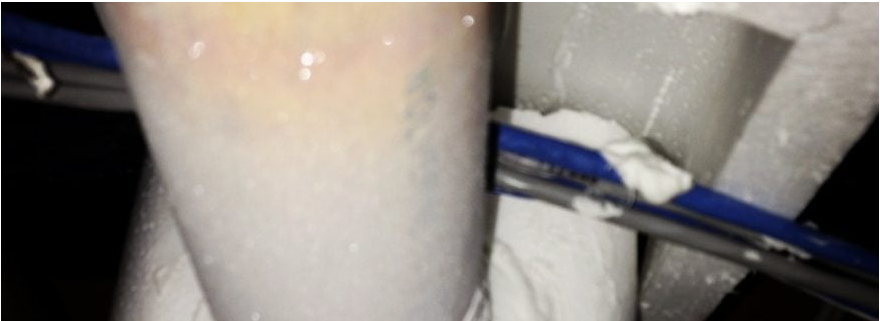
You may have heard horror stories about homeowners whose pipes have frozen. When pipes freeze—something that can easily happen in the frigid winter—it obstructs the flow of water into your home. It can do more than that, though: When water freezes in your pipes it expands, and can sometimes cause the pipes to rupture—leading to potentially significant and costly plumbing problems.
Preventing Frozen Pipes
You obviously want to avoid this—and the good news is, there is much you can do to prevent your pipes from freezing.
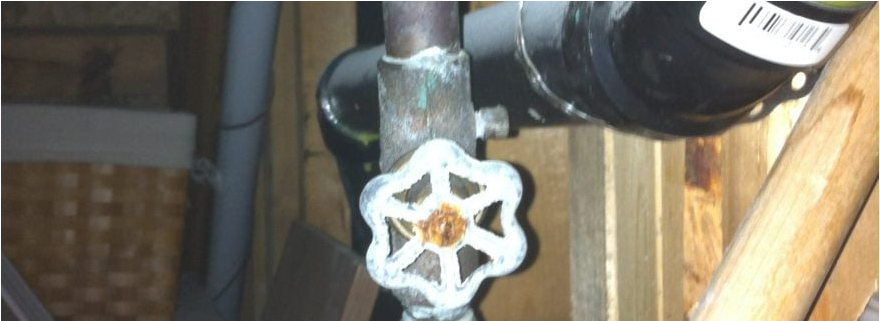
Always know where your main water shutoff valve is; if you experience any problems with frozen pipes, you will want to shut off your water immediately.
Identify potential problem areas—pipes along outside walls, pipes that are outside or in the crawlspace, pipes in the attic, and so on.
Seal any areas around your home, basement, attic, or crawlspace where cold air might come into contact with these pipes, including dryer vents, windows, and so forth.
If temperatures are below freezing for an extended period of time, you might consider dripping a faucet or two, which will prevent water pressure from building in your pipes.
More than anything, just keep your house as warm as you can!
Dealing with Frozen Pipes
The question is, what happens when these efforts at prevention come up short? If you find that you have a “no flow” scenario:
Turn off the main water valve to your house, but keep the faucets on.
Never use open flames, hair dryers, or other electric heating devices to “thaw” your pipes. This is extremely dangerous, both to you and to your pipes!
Call a plumber to come help you locate the source of the problem. Note that, in most cases, plumbers will not recommend “thawing” the affected area; being patient and waiting for temperatures to rise is usually the best response. However, a plumber can help assess damage and make recommendations for avoiding future freezes and obstructions.
If water is flowing, meanwhile, and if it’s leaking through a ruptured pipe, you want to turn off the main water valve immediately and call a professional plumber! Frozen pipes are nothing you want to mess around with; take full preventative steps, and, if necessary, prompt action to resolve the issue. For help, call our plumbing team today!